
Xiaomi has officially introduced HyperOS 3 at a dedicated launch event in China, showcasing a refreshed design, new iconography, and advanced AI-powered features.
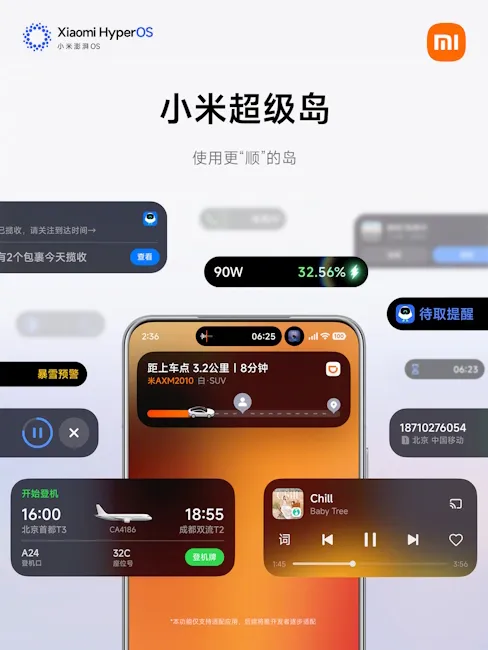
Built on Android 16, HyperOS 3 puts Xiaomi among the first OEMs to rival Samsung’s upcoming One UI 8. Its biggest highlight is the Xiaomi Super Island, a powerful evolution of Apple’s Dynamic Island. Unlike a simple notification hub, Super Island allows users to run and manage up to three apps simultaneously within the island.
With a swipe gesture, you can switch between tasks, close existing ones, or add new apps on the fly. Xiaomi says that more than 70 apps are already compatible with Super Island, ensuring seamless multitasking right from launch.
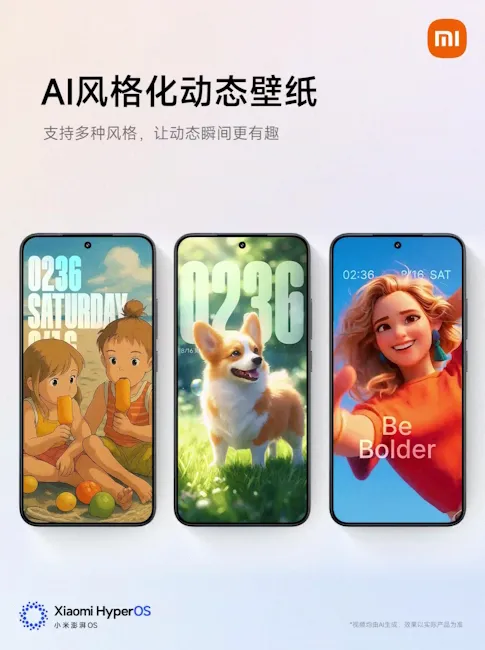
HyperOS 3 introduces a major upgrade to lockscreen customization. Users can now set AI-generated dynamic wallpapers with subtle animations and interactions, creating a Cinematic Depth effect. These wallpapers can be generated by the user or selected from the Xiaomi community collection.
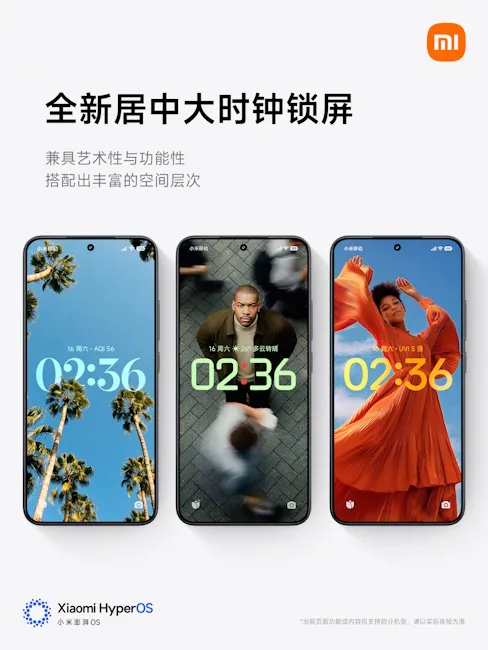
The update also brings center-aligned lockscreen clocks with multiple font styles that automatically adapt to wallpaper colors. A new lockscreen and wallpaper editing suite is now built in, accessible with a simple long-press on the lockscreen for quick personalization.
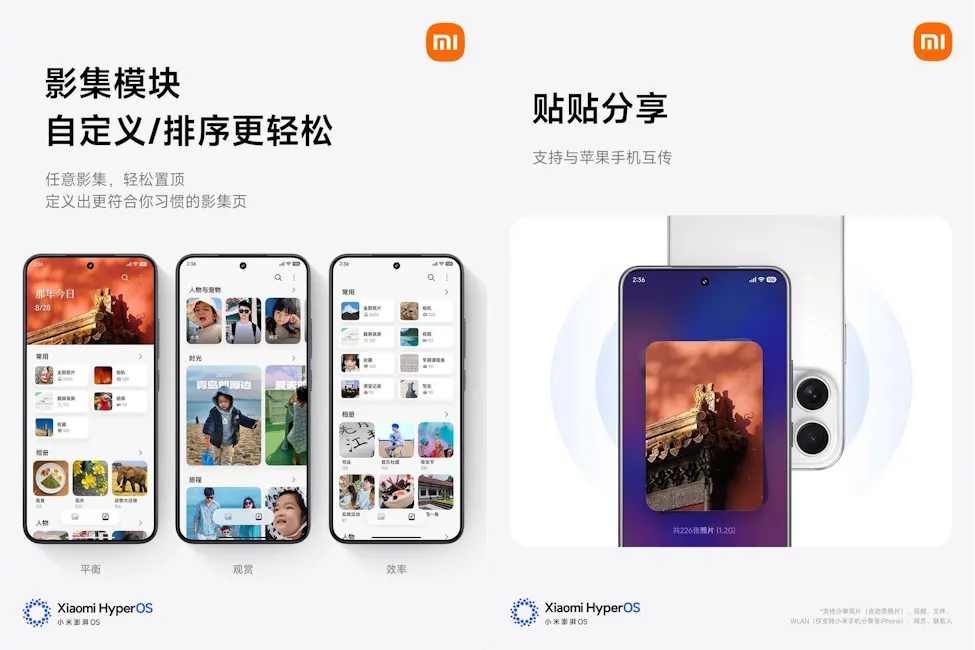
HyperOS 3 also enhances the Xiaomi Gallery app with a cleaner, more user-friendly interface and support for custom album sorting.
The gallery search has been optimized to better recognize up to 10 commonly searched elements, such as pets and people cards. Additionally, Xiaomi has improved ecosystem integration, allowing users to seamlessly share photos, videos, and albums across devices including iPhones with expanded cross-platform support.
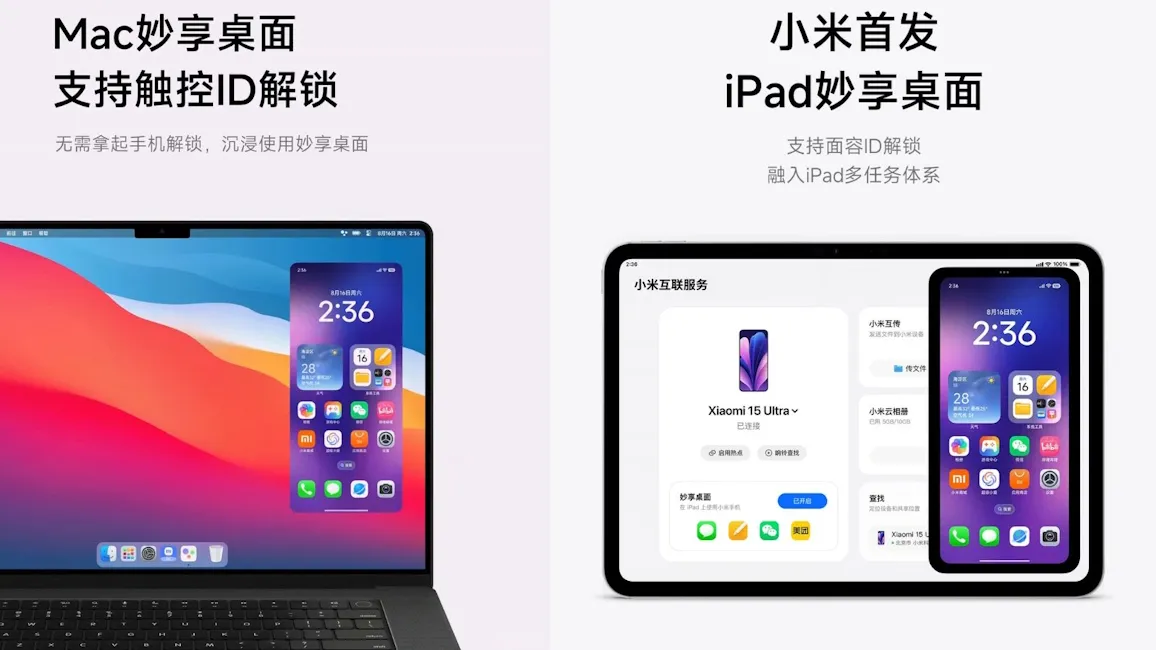
HyperOS 3 takes cross-device connectivity a step further by enabling Xiaomi smartphones to mirror directly onto Apple devices like iPads and MacBooks. It comes with Face ID support, multi-window functionality, and smooth syncing of notifications and photos.
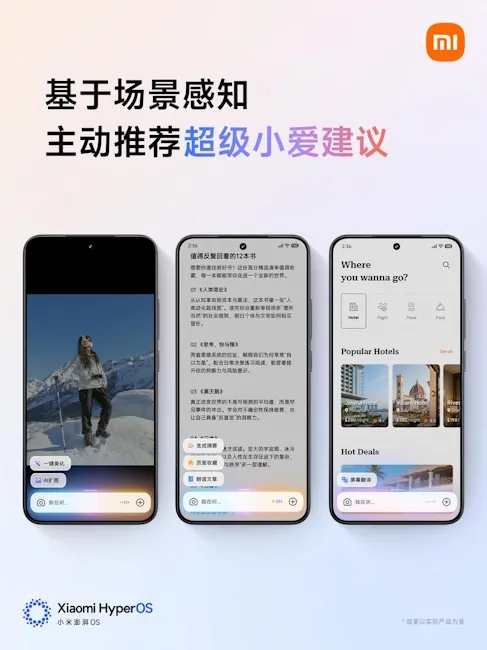
Meanwhile, XiaoAI is getting faster and smarter with the update. Users in China can now perform actions similar to Google’s Circle to Search, while the assistant’s wake-up screen is quicker, offering scene recognition and contextual activity suggestions.
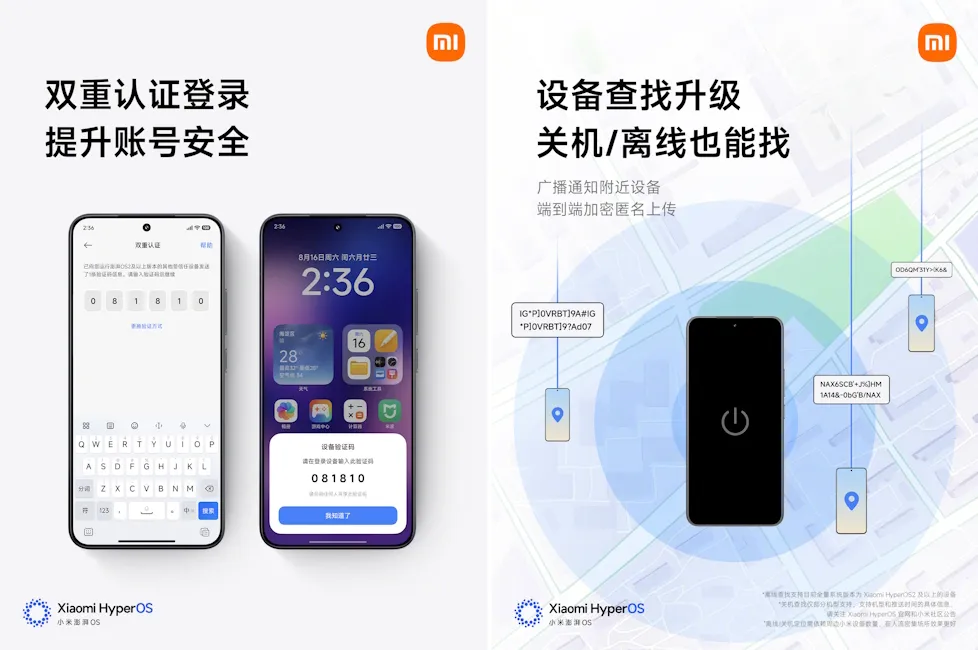
Beyond minor tweaks, HyperOS 3 delivers stronger privacy and security features. Supported devices will get dual login authentication, multi-device login with advanced data protection, and end-to-end encryption. They will also support Google’s Find My Device offline network for improved security.
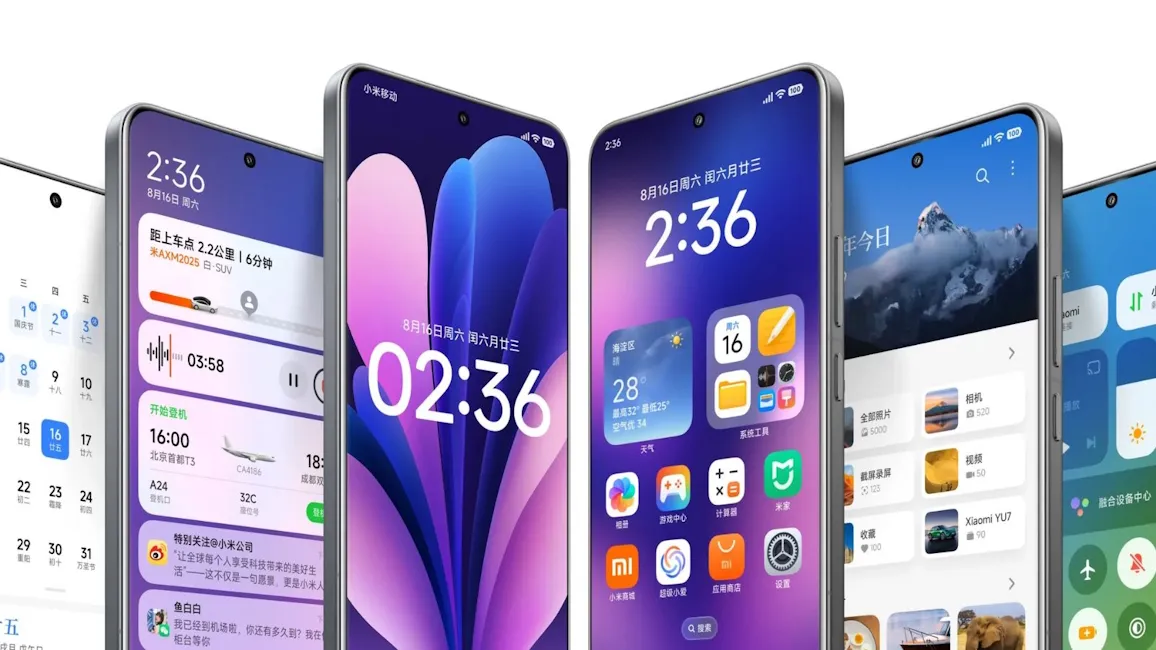
Lastly, in terms of aesthetics, HyperOS 3.0 version is bringing new app icons, updated status bar icons, a revamped quick settings menu and more. Xiaomi claims that with the HyperOS 3.0 version, app opening latency has been reduced by 20% with smoother system animations for better “visual sensory continuity”.
The HyperOS 3 beta will kick off on August 29, 2025, debuting on the Xiaomi 15 series and Pad 7 lineup. From September 1, 2025, more devices, including the Xiaomi Mix Flip 2 and Xiaomi 14, will start receiving the update. The complete list of eligible devices is available on the official Xiaomi HyperOS landing page.


