
Xiaomi, once the leading smartphone brand in India, is now witnessing a steep downfall in the market. With declining sales, frozen assets, and rising competition, the company is being forced to rework its approach and long-term strategy for India.
Since 2022, Xiaomi has been under scrutiny from Indian regulators, with probes initiated by agencies such as the Enforcement Directorate and the Income Tax Department. By the end of 2025, nearly ₹4,700 crore of the company’s funds continue to remain blocked in India, adding to its mounting challenges.
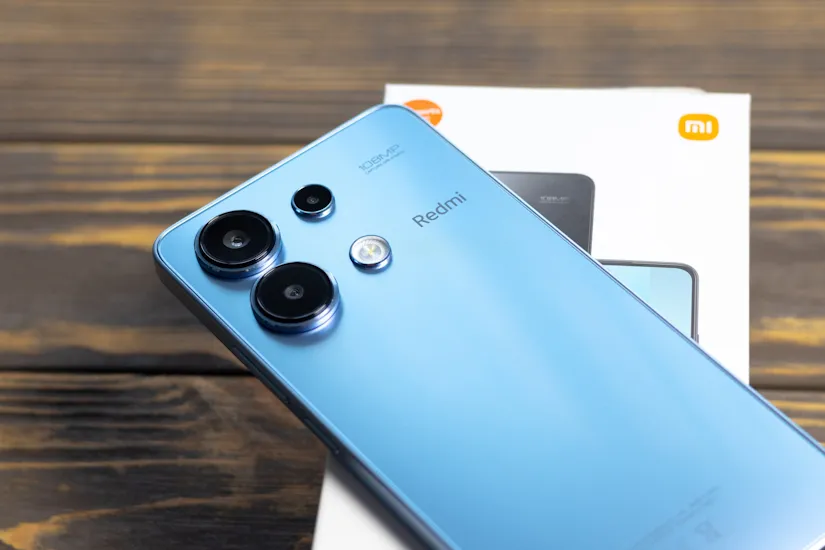
Meanwhile, Xiaomi’s smartphone shipments in India have been on a downward trajectory. As per an IDC report, the brand’s year-on-year market share in Q1 2025 fell sharply from 12.8% to 7.8%. Another IDC report for Q2 2025 highlighted that Xiaomi’s growth in India has largely plateaued, with shipments inching up marginally from 42.3 million to 42.5 million units.
Once a dominant player in the budget smartphone segment, Xiaomi has struggled to compete in the rapidly expanding premium segment. Competitors such as Vivo and Oppo are gaining significant traction, making it increasingly challenging for Xiaomi to maintain its previous momentum.
In light of these challenges, a recent ET Telecom report suggests that Xiaomi may slow down its smartphone launches in India and shift focus toward other regions, including Europe, the Middle East, and Latin America. The report also notes that Xiaomi’s localization initiatives have lost pace, with its “Made for India” strategy showing signs of decline over the years.
Adding to Xiaomi’s challenges, its plans to diversify into new product categories such as air conditioners, washing machines, and refrigerators have reportedly been delayed due to stricter localization regulations.
“India-specific product development has stopped, with the company now focusing solely on global products. Without substantial software customization for the Indian market, Xiaomi has struggled to expand its user base, particularly in the premium segment where the overall user experience is critical,” an industry executive told the publication.
In 2018, India was Xiaomi’s second-largest market, contributing nearly half of its regional revenue. Today, the country accounts for only a single-digit percentage of Xiaomi’s global business and has dropped out of its top-five markets.
With declining shipments and mounting regulatory pressure, Xiaomi now faces a critical challenge: adapt to India’s increasingly competitive smartphone market or risk losing its foothold entirely. Only time will reveal the company’s next moves in the country.


