
Union Minister assures that citizens can easily remove the government-backed application
India’s technology sector is abuzz following reports about smartphone manufacturers preloading the Sanchar Saathi app on new devices. It was earlier suggested that the Government of India (GoI) had instructed leading brands not only to include the app by default but also to prevent its removal. The Department of Telecommunications has now released an official clarification to address the controversy.
Union Minister states Sanchar Saathi is not compulsory
Speaking to Asian News International (ANI), Union Minister for Communications Jyotiraditya Scindia explained that although companies are required to pre-install Sanchar Saathi, users retain complete freedom to delete it from their phones.
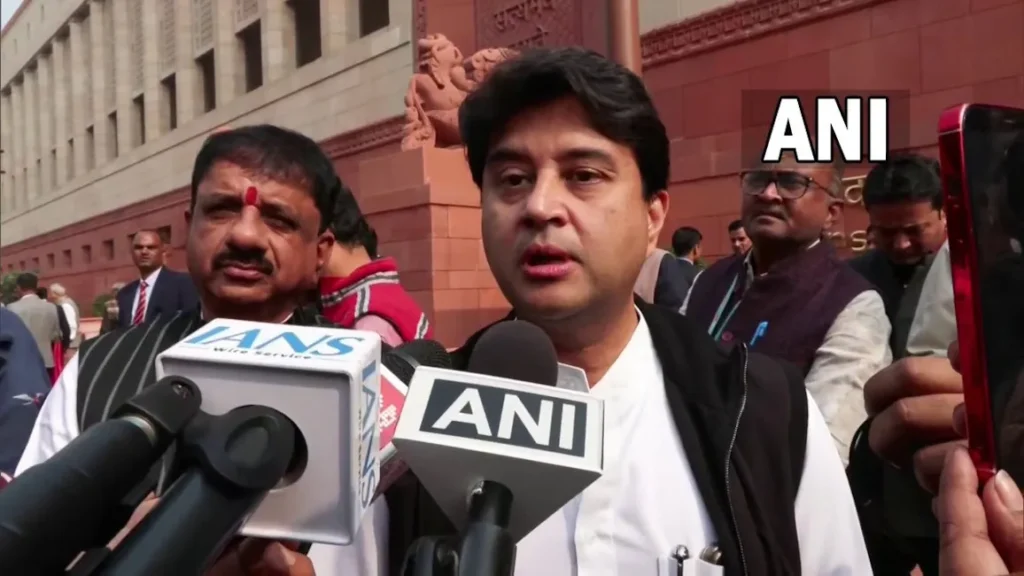
He further clarified that, similar to any standard mobile application, individuals can choose to enable or disable Sanchar Saathi at their discretion. If they prefer not to use it, they can uninstall the app without any restrictions.
“I want to remove all misunderstandings… Introducing this app is our responsibility. Whether users keep it or not is entirely their choice… It can be removed like any other mobile application.”
— Jyotiraditya Scindia, Union Minister of Communication
This clarification has eased concerns among many Indian users who viewed the move as intrusive and questioned issues around consumer freedom and state monitoring. Reports from Reuters also suggested that Apple may oppose the government’s directive, citing privacy and security risks within the iOS framework.
For context, the Sanchar Saathi app was launched by the Department of Telecommunications to assist users in confirming the legitimacy of their smartphones. It is designed to block stolen devices, validate IMEI numbers, and report fraudulent or stolen mobile connections.
According to official government figures, the platform has contributed to the recovery of over 700,000 missing phones and the deactivation of more than 30 million suspicious or counterfeit mobile connections. While the initiative clearly aims to reduce digital misuse, the implementation strategy has sparked debate and public concern.


