
Artificial intelligence is quickly becoming a key feature in modern software, gradually integrating into core functionalities. While many companies are showcasing new AI capabilities, web browsers are emerging as a primary frontier. Google has already brought Gemini Nano to Chrome, and now Microsoft is bringing its on-device AI capabilities to Edge.
At the Build conference, Microsoft announced that it will soon make its existing on-device AI models available to web applications, allowing developers to integrate these capabilities into their own tools. Specifically, Microsoft will offer access to the Phi-4-mini model, which is trained on data from DeepSeek R1’s reasoning model. In terms of performance, it closely rivals OpenAI’s o3-mini model.
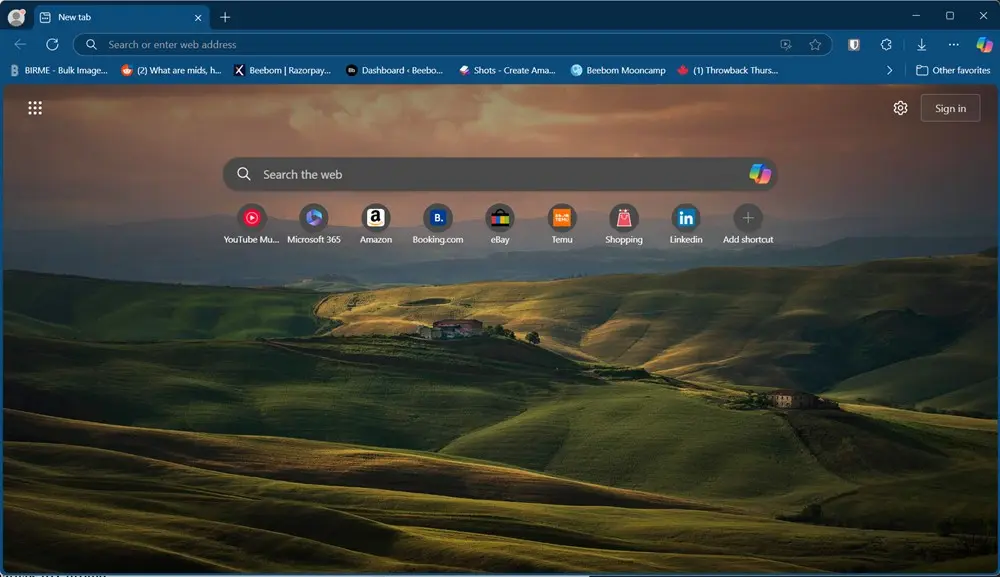
These new APIs are designed to help developers build new applications or enhance existing web apps with AI features. They include tools for text generation, summarization, and writing assistance all processed on-device for added security.
Microsoft states that the APIs are cross-platform and can work alongside other AI models. They’re currently available in the Canary and Dev channels of Microsoft Edge. For context, Google’s Gemini Nano in Chrome also provides similar features, such as text translation and image generation.
This isn’t Microsoft’s only AI-focused announcement this year. The company also unveiled Copilot Search in Bing during its Copilot event and 50th anniversary, promising to revolutionize how we search online. Additionally, Microsoft is developing a range of AI tools and features for Windows through its Copilot+ PCs.
What do you think about Microsoft opening its AI models to Edge for web developers? What kinds of apps would you like to see take advantage of these AI capabilities? Share your thoughts in the comments below!


